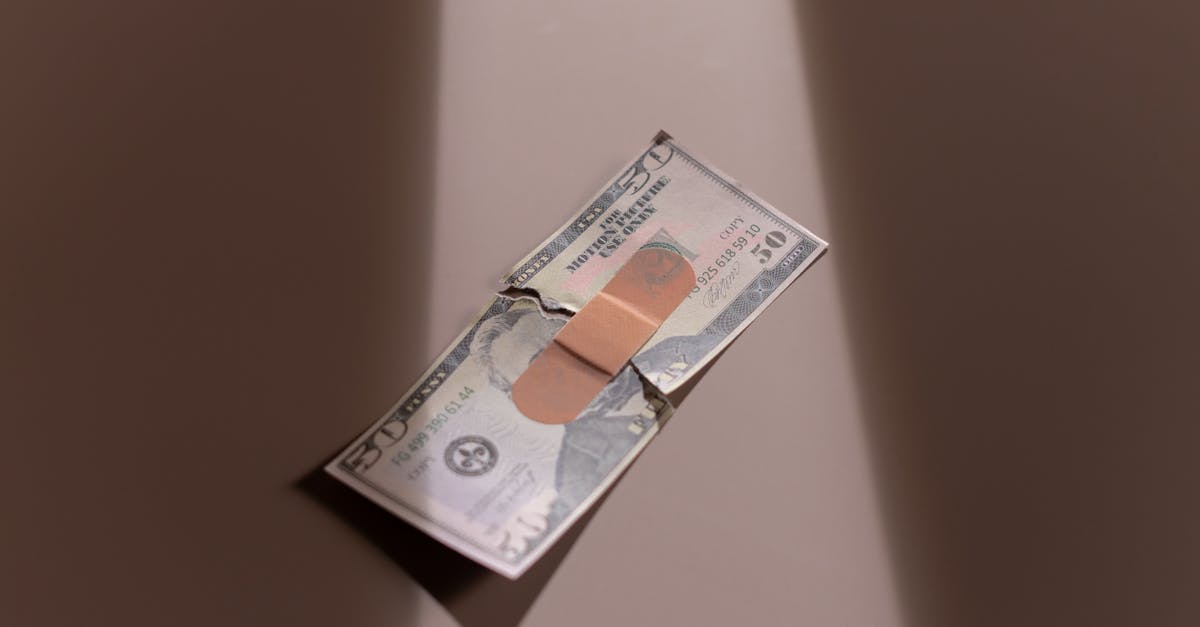
How To Prepare Financially For A Crisis
1. Introduction: Why Financial Readiness Matters More Than Ever
Life has a funny way of throwing curveballs when you least expect them. One day you are cruising along with your career and family plans, and the next, a global disruption or a personal emergency sends everything into a tailspin. Financial readiness is not about predicting the future; it is about building a buffer so thick that when the walls start to shake, your foundation remains rock solid. Think of it like carrying an umbrella every single day. Sure, it might be annoying to lug around during a week of sunshine, but when that sudden thunderstorm hits, you are the only one on the street who stays dry. Let us dive into how you can construct that umbrella for your finances.
2. Building Your Financial Fortress: The Emergency Fund
If financial health were a body, your emergency fund would be the immune system. Without it, even a small common cold of an expense can turn into a life threatening case of bankruptcy. Many people make the mistake of thinking this fund is for luxury purchases or vacations. It is not. It is for survival.
2.1 How Much Is Enough? Calculating Your Baseline
The standard advice is three to six months of expenses, but let us get real: that number is deeply personal. If you are a freelancer with fluctuating income, you likely need a larger buffer than a government employee with total job security. Take a hard look at your monthly fixed costs. Rent, utilities, food, and minimum debt payments. Multiply that by six. That is your North Star.
2.2 Parking Your Cash: High Yield Savings Accounts vs. Checking
Do not let your emergency money sit in a standard checking account earning zero interest. You want your money to at least keep up with inflation while remaining liquid. High yield savings accounts are perfect for this. They are separate enough from your daily spending that you will not be tempted to touch them, yet accessible enough to transfer within a day or two when a true emergency happens.
3. Taming the Debt Monster Before Trouble Hits
Debt acts like an anchor on a ship. When the storm comes, you want to be able to sail away, not stay glued to the bottom of the ocean because you are drowning in interest payments. High interest debt is the enemy of stability.
3.1 Attacking High Interest Credit Card Debt
If you are paying twenty percent interest on a credit card balance, you are losing the game before you even start. Use strategies like the snowball or avalanche method to systematically clear this debt. Imagine your debt as a fire. You want to throw water on the most flammable areas first. Getting rid of high interest debt frees up monthly cash flow, which is arguably your best weapon in a crisis.
4. Radical Budgeting: Knowing Where Every Cent Goes
Budgeting often gets a bad rap as a restrictive practice. In reality, it is a tool for liberation. If you do not know where your money is going, you cannot possibly control it.
4.1 The Art of Expense Tracking in Uncertain Times
For one month, track every single purchase. Every morning coffee, every streaming service subscription, every grocery run. You will likely be shocked at the amount of money leaking out of your pocket through “micro spending.” Once you see the leak, you can plug it.
4.2 Ruthlessly Distinguishing Between Needs and Wants
When a crisis hits, you need to be ready to strip your budget down to the studs. Do you really need the premium cable package? Is dining out three times a week a necessity? Learning to live on your needs now prepares your mindset for when you might actually have to.
5. The Invisible Shield: Conducting a Comprehensive Insurance Audit
Insurance is the safety net you hope you never have to use. However, if you are missing pieces of that net, a fall could be fatal to your financial health.
5.1 Ensuring Your Health Coverage Doesn’t Have Holes
One major medical event can wipe out a decade of savings. Review your policy. Do you have a high deductible? If so, is that deductible fully funded in an HSA or your emergency savings? Never assume you are fully covered until you have read the fine print of your plan.
5.2 Why Adequate Property Insurance Is Non Negotiable
Whether you rent or own, your home is likely your biggest asset or your biggest responsibility. Ensure your coverage is based on the cost to replace your belongings, not just the current market value. Disaster preparedness includes knowing that your roof is covered if a storm hits.
6. Beyond the Paycheck: Diversifying Your Revenue Streams
If your sole source of income is your employer, you are in a vulnerable position. The more streams of income you have, the more resilient you are.
7. Getting Your Legal Affairs in Order
Financial preparation is not just about numbers; it is about logistics. If you were suddenly unable to make decisions, who would step in?
7.1 Why Wills and Trusts Protect Your Family in a Crisis
Nobody likes to think about their own mortality, but a will or a trust is not for you; it is for the people you leave behind. It ensures that your assets are distributed according to your wishes rather than according to the whims of the legal system, which is costly and time consuming.
8. Maintaining Your Investment Cool During Market Turmoil
When the news is all red and the markets are crashing, the worst thing you can do is panic. Investing is a marathon, not a sprint. If you have your emergency fund set aside, you should not need to liquidate your retirement accounts during a downturn. Stay the course, keep your strategy diversified, and remember that volatility is simply the price we pay for long term growth.
9. Conclusion: Consistency is Your Greatest Asset
Preparing for a financial crisis is not an overnight task. It is a slow, methodical process of building layers of protection. By shoring up your savings, trimming your debt, and ensuring you have the right safety nets in place, you are essentially buying peace of mind. When the unexpected happens, you will not be scrambling for answers; you will be acting on a plan you have already perfected. Start today, stay consistent, and remember that financial freedom is built one smart decision at a time.
10. Frequently Asked Questions
Q: Should I pay off all my debt before starting an emergency fund?
A: It is usually better to build a “starter” emergency fund of one month of expenses first. This protects you from having to use credit cards when small emergencies occur while you are paying off debt.
Q: How often should I review my emergency fund status?
A: Review it at least once a year or whenever your life situation changes significantly, such as getting married, buying a home, or having a child.
Q: Where is the best place to keep my emergency fund?
A: A high yield savings account is the gold standard. It provides interest, liquidity, and separation from your daily spending.
Q: Is investing in gold a good way to prepare for a crisis?
A: Gold can be a hedge against inflation, but it should not replace an emergency fund or a diversified portfolio of index funds. Focus on liquidity first.
Q: What if I have zero room in my budget to save?
A: Even saving five or ten dollars a week creates a habit. If your budget is truly at zero, focus on increasing your income through a side hustle before looking to cut costs further.